

Why We Need Forests: Their Vital Role in Climate Dynamics, Rain, and The Biotic Pump
The Great Simplification #193 with Anastassia Makarieva

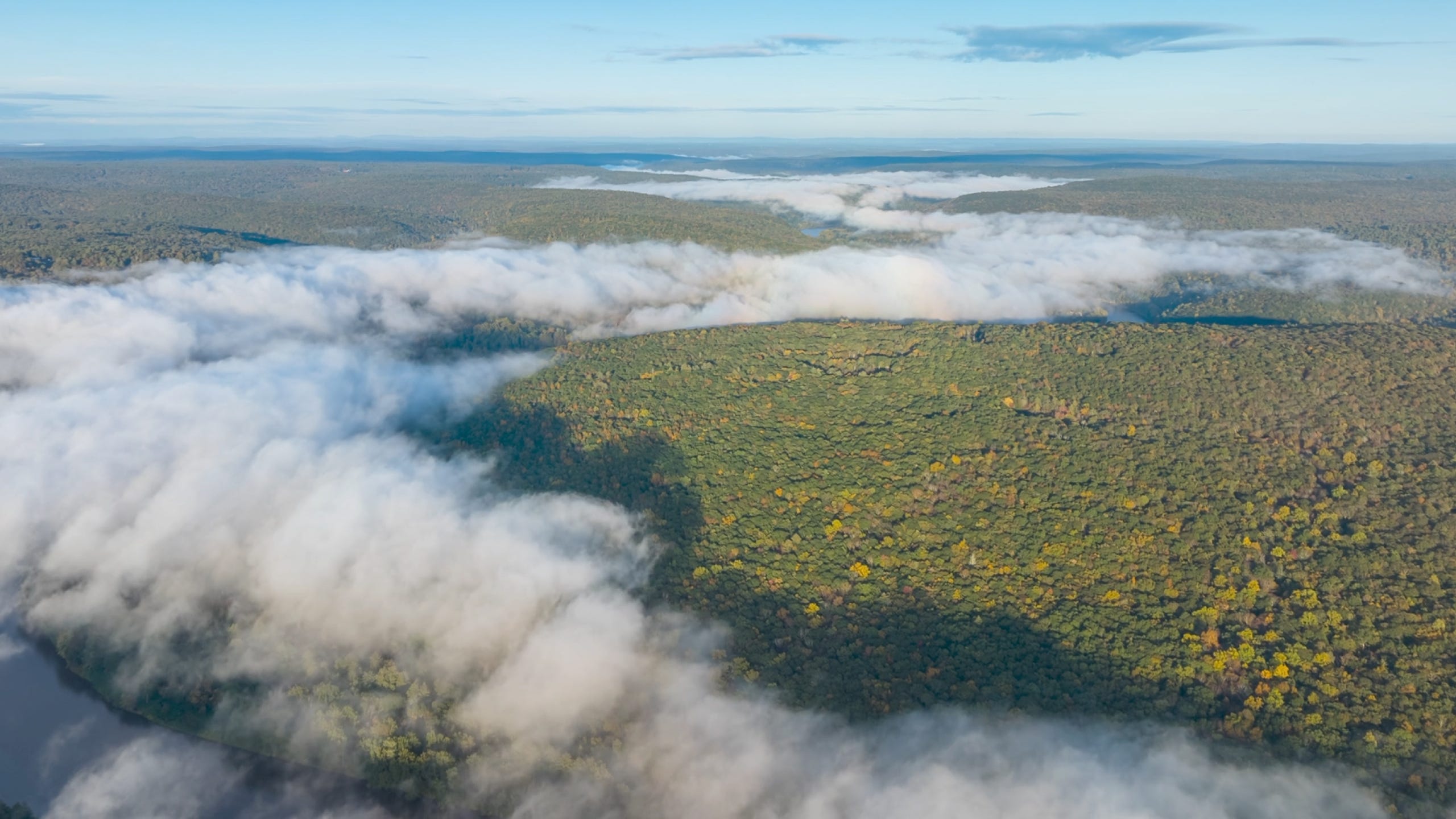
It’s widely known that Earth’s forests provide home to countless numbers of species, act as a vast sink for carbon, and provide much of the food, materials, and clean water on which our societies rely. But emerging science shows us that forests may play another critical role: making rain. This theory, called the biotic pump theory, hypothesizes that instead of being passive recipients of rain, forests may actively create the conditions for precipitation over land – a premise that turns modern meteorology on its head.
In this episode, I’m joined by physicist
about the critical yet often overlooked role forests play in maintaining ecological balance and climate stability. Through the lens of the biotic pump theory, she highlights the importance of moisture and rainfall cycles, the dangers of ecosystem tipping points, and the escalating risks of deforestation. Anastassia argues that a paradigm shift is needed – one that redefines how humanity understands and manages forests in the fight against global heating.What would climate models reveal if they fully integrated the Biotic Pump Theory? How might policies protecting against deforestation evolve if societies recognized the irreplaceable role forests play in how water moves on land? And beyond policy, how might reconnecting with our deep interdependence on forests help us rediscover a richer connection to ourselves as individuals?
In case you missed it…
In last week’s Frankly, I weighed the value of a pound of gold with other things that we derive worth from in our lives – from dollars and bitcoin to...less pecuniary markers. Although gold is simply a metal, it has long been a symbol of wealth in human cultures. Through highlighting other important, sometimes intangible forms of wealth, I encouraged the viewer to not only examine what they place the most worth on in their own lives, but also to consider why things have worth to us as humans living in a complex, modern system.
If you appreciate The Great Simplification podcast…
Be sure to leave a review on your preferred podcast platform! Leaving reviews helps the podcast grow, which helps spread awareness of our systemic situation from experts in ecology, energy, policy, economics, technology, and community building so that we can better understand - and respond to - the challenges of the coming decade.
The Great Simplification podcast is produced by The Institute for the Study of Energy and Our Future (ISEOF), a 501(c)(3) organization. We want to keep all content completely free to view globally and without ads. If you’d like to support ISEOF and its content via donation, please use the link below.
Incredible interview! Probably her best. Thank you so much Nate for the good work that you do!
I read a book this summer, by another scientist, that perfectly illustrates the necessary paradigm shift. "Our Green Heart; the soul and science of forests" by Diana Beresford-Kroeger. She was raised in the Druidic tradition and went on to study botany, physics and medical biochemistry and get a Phd. The book seamlessly combines the perspectives of science and the sacred, a rare – and much needed - combination if we to make the necessary changes in the way we see forests.